Getting the most value from fleet management software & telematics
August 27, 2026Today’s fleet management platforms are robust and sophisticated. They can also be overwhelming. This article provides some practical tips for making the most of the data available to you.
What you'll learn in this article
- Why so many fleets collect telematics data without actually using it
- Where fleet management software return on investment (ROI) really comes from
- How to phase in features so the data stays useful instead of overwhelming
- The review cadence that turns reports into operational decisions
- How a driver-first culture makes the whole program stick
Telematics has cleared the adoption hump. It's now standard equipment in most commercial fleets. Yet a May 2026 report found that fewer than half of fleet operators strongly agree their telematics solution fully meets their business needs. What gives?
“The satisfaction gap has very little to do with the technology itself,” says Julie Sams, Connected Vehicle Program Manager at Mike Albert. “The platforms are capable, and the data is there. What separates the fleets getting full value usually comes down to everything that happens, or fails to happen, around the solution.”
Why fleets struggle to turn telematics data into actionable insights
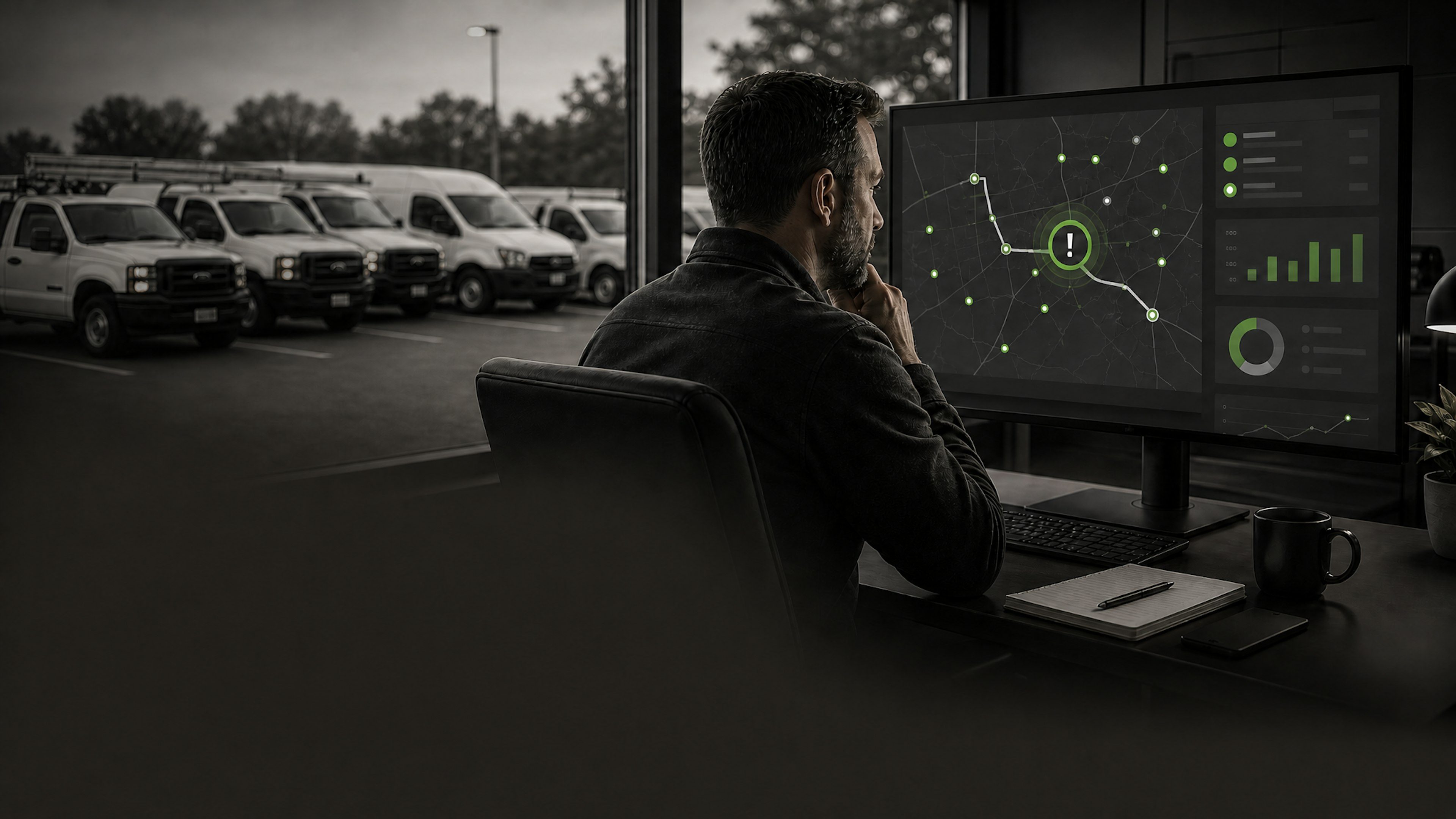
Most struggling telematics programs started the same way. Something forced the issue. An insurer demanded the technology, or a serious accident sent everyone scrambling to prevent another one. The fleet invested, installed it, and checked the box, but never built a plan around it.
“Without a plan, nobody has defined what the program should accomplish, and nobody has been assigned to monitor the data and act on it,” says Sams. “So, the data accumulates by the minute while the fleet keeps paying for it while not actually using it.
“Successful programs treat telematics as a tool for improving safety, controlling costs, and increasing efficiency. Struggling programs treat it like a high-end GPS tracker, which is a bit like buying a computer and using it only for word processing.”
What is the average ROI of implementing fleet management software?
There's no single industry-standard figure, because the return depends on what a fleet sets out to achieve and how consistently it works the data. Returns typically show up in four places: fuel consumption, maintenance costs, safety and insurance exposure, and overall productivity. Fleets that define success up front and measure against it capture those returns fastest. Let’s take a look at each.
Fuel savings & route optimization
Fuel is usually where ROI shows up first. Telematics surfaces the idling, speeding, and inefficient routing that inflate fuel spend, and pairing it with fuel card and maintenance data turns those observations into a working program. We cover that playbook in depth in our article on fuel management systems as a strategic approach to fleet fuel savings.
Reducing maintenance costs with predictive alerts
Fault codes and vehicle health data let fleets catch small problems before they become roadside breakdowns, converting unplanned downtime into scheduled service. For more on this capability, see our article on the power of predictive analytics for fleet operations.
Enhancing safety and reducing insurance exposure
A documented safety record built on telematics data gives fleets real leverage with insurers, whether that's negotiating premiums or contesting a disputed claim after an accident. Just as valuable, the same data lets fleet managers catch risky patterns like harsh braking or speeding before they turn into a claim instead of after. For more on turning that data into coaching drivers respond to, see our recap of Fleet Driver Safety 101.
Improving overall productivity
Telematics data helps fleets put the right vehicle and driver on the right job, cut time wasted on inefficient routes and unauthorized stops, and shrink the administrative hours spent tracking mileage and expenses by hand. AI-assisted dispatching and reporting are pushing this further, turning tasks that used to eat up a manager's afternoon into something that takes minutes. We dig into that shift in our article on fleet management trends for 2026.
Enhancing fleet management software efficiency
First, phase in features to avoid data overload: A modern platform can monitor a long list of behaviors and conditions, and activating everything on day one produces a flood of alerts with no way to separate signal from noise.
“We recommend starting with the ABCs of driving: harsh acceleration, braking, and cornering,” Sams says. “Let the team get comfortable reading and acting on that focused data, then turn on additional capabilities in staged, deliberate phases guided by your goals.”
Fleets win on the technology front when they activate what's relevant to their operation, learn the software in manageable chunks, and build real fluency along the way. “Expect the program to keep evolving too,” says Sams. “Telematics keeps improving, thanks in no small measure to AI, and the fleets getting the most from it plan for that evolution rather than being surprised by it.”
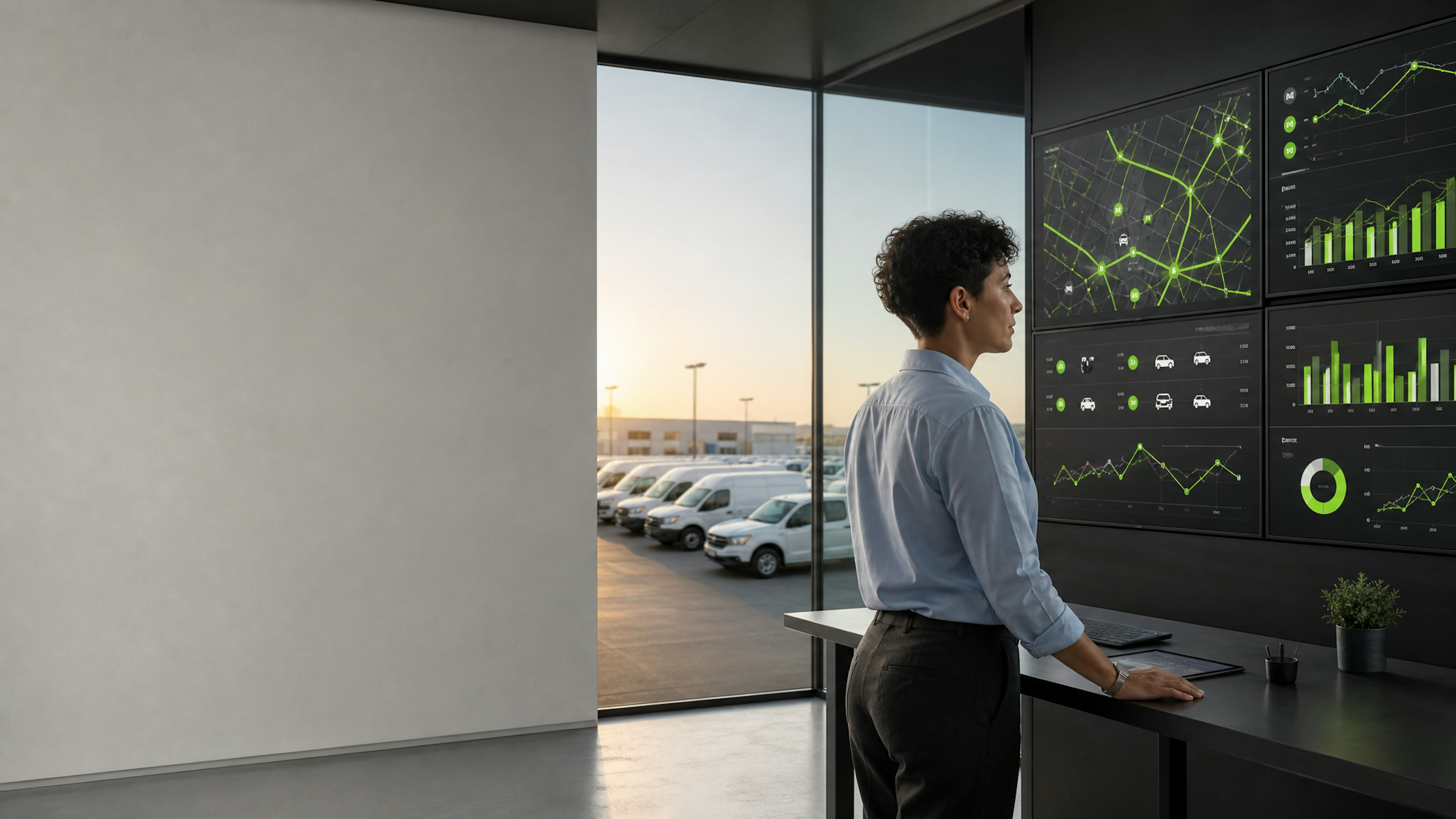
Second, integrate vehicle tracking software with daily fleet operations: A data program needs buy-in beyond the fleet manager. For example, shift managers and drivers must support it day to day, someone must own each piece, and every owner needs the authority to follow through on what the data shows. Sams notes that the last condition is the one most often missing. “Cross-functional ownership keeps telematics from quietly becoming one more dashboard that looks impressive but gets ignored,” she says.
Two tips for using fleet data to maximize fleet productivity
1. Turn reports into actionable operational decisions
Sams says that the strongest programs run on a steady cadence. For example: weekly safety metrics, monthly key performance indicators, quarterly trend reviews. "That rhythm lets a fleet evolve its program based on what the data shows rather than reacting only when something goes wrong,” says Sams.
She recalls a client whose setup needed only minor support. Reporting was broken out by group. Each group's report went automatically to its manager. Managers reviewed weekly and coached the drivers who needed it, and dashboards gave leadership the overview.
“There was nothing sophisticated about the design,” says Sams. “The discipline to engage with it regularly was the whole story.”
2. Identifying productivity gaps across drivers, vehicles, and routes
Group-level reporting is also how gaps surface, whether that's a driver who needs coaching, a vehicle burning fuel without covering miles, or a route that consistently underperforms. Contrast the client above with a 1,000+-unit fleet that has assigned its entire telematics effort to a single person. The technology is in place, but an adequate human structure to support it isn’t, so most of the value goes uncaptured. (For more on this topic, see: How fleet analytics are reshaping driver behavior and business performance.)
Building a driver-first culture with telematics
The biggest barrier to driver buy-in is the belief that telematics amounts to surveillance. Drivers instinctively brace for "Big Brother," and if the program only surfaces what they're doing wrong, that suspicion is confirmed and the program becomes a morale drain.
“Coaching works considerably better when it highlights progress, showing a driver where they've improved week over week rather than berating them for mistakes,” says Sams. “The technology increasingly supports this sort of positive feedback and direction.”
Today's AI-enabled camera systems add context to events. “A driver who was cut off and immediately backed away to reestablish a safe following distance used to get flagged for tailgating,” says Sams. “Now the software is smart enough to recognize that the driver chose to make the situation safer. That's a moment worth recognizing, and most fleets still don't have a process for recognizing it.” There's a strong retention payoff here as well, adds Sams, which is explored further here: How telematics improves driver satisfaction and retention.
The strongest safety cultures acknowledge both sides of the safety equation. They address what genuinely needs addressing and recognize the drivers doing things right. Gamification, monthly safety bonuses, recognition leaderboards, or a simple public acknowledgment all work.
“The specific mechanism matters less than the commitment to having one,” says Sams. “Some fleets balk at spending a bit on rewards right after making a meaningful investment in telematics. When you weigh the nominal costs of rewards against the cost of a major insurance claim or a ‘nuclear verdict,’ a modest recognition budget more than pays for itself.”
Start improving ROI from your fleet management software today
A few honest questions reveal where your program stands, advises Sams. Has anyone written down what success looks like? Does each element have a named owner with the capacity to do the work? Is there a real weekly, monthly, and quarterly review cadence, or does the data only get attention after an incident? Do your drivers experience the program as protection and recognition, or as monitoring?
One more factor deserves candid consideration. For years, the industry norm on software and telematics was to hand a new client a login, run a quick training session, and then walk away. But the research referenced above points to the consequence.
“Most fleets aren't data companies with teams dedicated to turning telematics data into strategy,” says Sams. “Real implementation support matters, and it's worth weighing when you choose a data partner.”
The fleets extracting the most value from telematics aren't necessarily running the most advanced platforms. “They're the ones that decided what they want from the technology, assigned owners, built a routine around the data, and given drivers a reason to want the program to work,” says Sams.
If you'd like help closing that gap in your own operation, connect with the Mike Albert team.
About our fleet expert
Julie Sams is Connected Vehicle Program Manager at Mike Albert Fleet Solutions. She manages the company's relationships with its telematics providers and translates product updates into practical guidance for the client-facing team. She joined Mike Albert after working as an automotive service advisor at a Honda dealership.