Telematics for growing fleets: The science behind protecting what matters most
July 23, 2026Learn how growing fleets use telematics to protect vehicle value, improve driver safety, and turn data into smarter decisions.

If you're new to fleet — or your operation is starting to scale — telematics isn't about doing more with less. It's about doing the right things with what you have.
Growing a fleet is hard work. You're likely wearing multiple hats, managing more vehicles than you ever expected to, and making decisions that directly impact your bottom line — sometimes without a lot of data to back them up. The good news? That's exactly what telematics was built to solve.
At its core, telematics technology gives fleet leaders transparency into two things that matter most: the health of your vehicles and the safety of your drivers. Whether you're managing 10 vehicles or 100, those two priorities aren't just operational concerns — they're the foundation of a sustainable business.
Start with what you can protect
When resources are stretched, the smartest place to start is protection. Specifically: protecting your asset value and protecting your people.
Vehicles are likely among the most significant investments your business makes. Yet without visibility into how they're performing, you're essentially flying blind — reacting to breakdowns rather than preventing them.
Maintenance compliance — ensuring vehicles adhere to manufacturer-recommended service intervals — is the baseline. It extends vehicle life, protects resale value, and reduces the risk of costly, unplanned repairs. Telematics makes it possible to monitor compliance in real time, so nothing slips through the cracks.
The next level is fault code monitoring. Modern telematics systems surface diagnostic data directly from the vehicle, giving fleet managers early warning signs before a minor issue becomes a major repair—or worse, a vehicle out of commission when you need it most. While the data is available, deciphering and prioritizing these codes is a specialized skill. Partnering with a trusted ASE Certified Technician who understands your fleet goals ensures you aren't just collecting data, but acting on it. Our experts provide the pattern recognition and real-world judgment necessary to turn these digital alerts into a proactive maintenance strategy that protects your bottom line.
Takeaway: You don't have to run an enterprise fleet to protect your assets. Telematics gives you the same real-time visibility that large operations rely on — without the enterprise overhead.
The human element: Why data alone isn't enough
There's a lot of buzz right now around AI and what it can do for fleet operations. And it's well-founded. AI can process fault codes, surface patterns, and flag anomalies faster than any human.
But here's the rule of thumb worth remembering: AI surfaces the signal — an experienced advisor helps you act on it.
Fault codes, for example, can range from a minor sensor flag to an indicator of something requiring immediate attention. Without the knowledge to interpret what you're looking at — or a partner who can — data becomes noise. Fleet advisory services bridge that gap, translating raw telematics data into clear, actionable recommendations that actually fit how you run your business.
Technology is a tool. The people who know how to use it are what make it valuable. Want to go deeper on this topic? Read The Power of Predictive Analytics for Fleet Operations.
Takeaway: When evaluating telematics solutions, ask not just what the platform can do — but who's behind it helping you understand what it's telling you.
Driver safety: Technology sets the stage, policy drives the change
Telematics can automatically monitor driving behavior — speed, hard braking, harsh cornering, rapid acceleration — and generate alerts and driver scorecards without any manual intervention. For a fleet that's growing fast, that kind of automated oversight is a game-changer.
But here's what the data consistently shows: technology enables behavior change. Policy enforces it.
The fleet manager — whether that's a dedicated role or one of five things you do before lunch — has to put a clear framework in place. What behaviors are unacceptable? What does the coaching process look like? What happens when a pattern repeats?
Without that structure, even the best telematics system becomes a report no one acts on.
And when it comes to driver buy-in? Lead with the right message.
"We're not monitoring you — we're providing tools to protect you on the road and give you supporting evidence if you're ever in an incident that wasn't your fault."
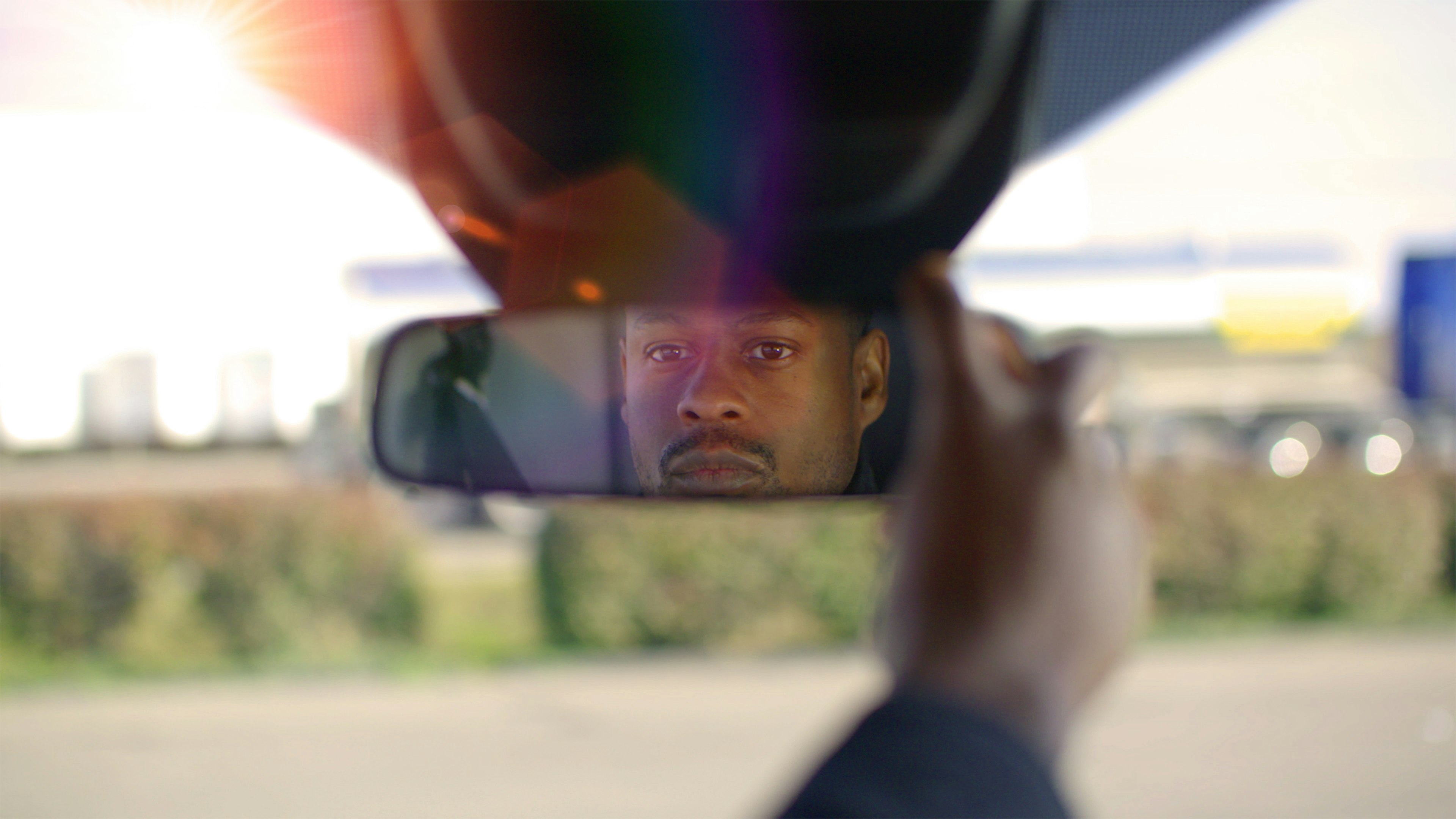
Road-facing cameras, in particular, are rapidly becoming a necessity rather than a luxury — not to surveil drivers, but to protect them. Exonerating footage from a dashcam has saved fleets from fraudulent claims, inflated insurance costs, and lengthy legal disputes. Frame it that way, and most drivers will understand. For a deeper dive into building driver buy-in, check out Safety 101: Fleet Driver Safety – Protect Your Business, Empower Your Drivers.
Takeaway: Safety technology is only as effective as the culture in which it operates in. Use it as a coaching tool, not a surveillance system — and communicate that distinction clearly to your team.
Data tells a story. Make sure someone's reading it.
One of the most powerful things telematics gives you is centralized data — utilization rates, route efficiency, maintenance histories, driver performance trends, and more — all in one place. If you're still managing pieces of this across spreadsheets and phone calls, that alone is transformative.
But centralized data is just the beginning. The competitive advantage belongs to fleets that know how to read the story their data is telling — and act on it. Learn more about how leading fleets are doing exactly that in From Insight to Impact: Five Ways Fleet Data Analytics is Powering Fleet Strategy.
That's where fleet advisory services come in. Proper cycle strategies. Right-sizing decisions. Funding optimization. These aren't things a dashboard can decide for you. They require experienced people who understand both the numbers and your business.
As the saying goes: there are fleet geeks out there who live for this data — and the right partner brings them to your team.
Takeaway: Technology can't make your fleet succeed on its own. The people leveraging the data are what drive real results.
Where to start.
If you're building your fleet program or scaling into your next stage of growth, here's a simple framework:
- Protect first. Start with maintenance compliance monitoring and basic driver safety alerts.
- Build from data. As you get comfortable with the platform, layer in fault code monitoring and driver scorecards.
- Find your advisors. Identify a partner who can help you interpret the data and translate it into strategy.
- Build the culture. Put policies in place that give your technology a purpose — and your drivers a reason to trust it.
You don't have to solve everything at once. But you do have to start somewhere. The fleets that pull ahead aren't always the biggest ones — they're the ones that made smart decisions early and built from there.
Mike Albert Fleet Solutions helps fleets at every stage make the most of telematics and fleet data — from implementation to interpretation to long-term strategy. Reach out today to see how Fleet Science® can work for your operation.
Skills covered in the class
Data-Driven Decision Making
Vehicle Life Cycle Analysis
Operational Efficiency
Fleet Safety
Did you enjoy this class?
Share it with your organization and colleagues.