By Alexa Rubin, Manager, Truck Upfit at Mike Albert Fleet Solutions
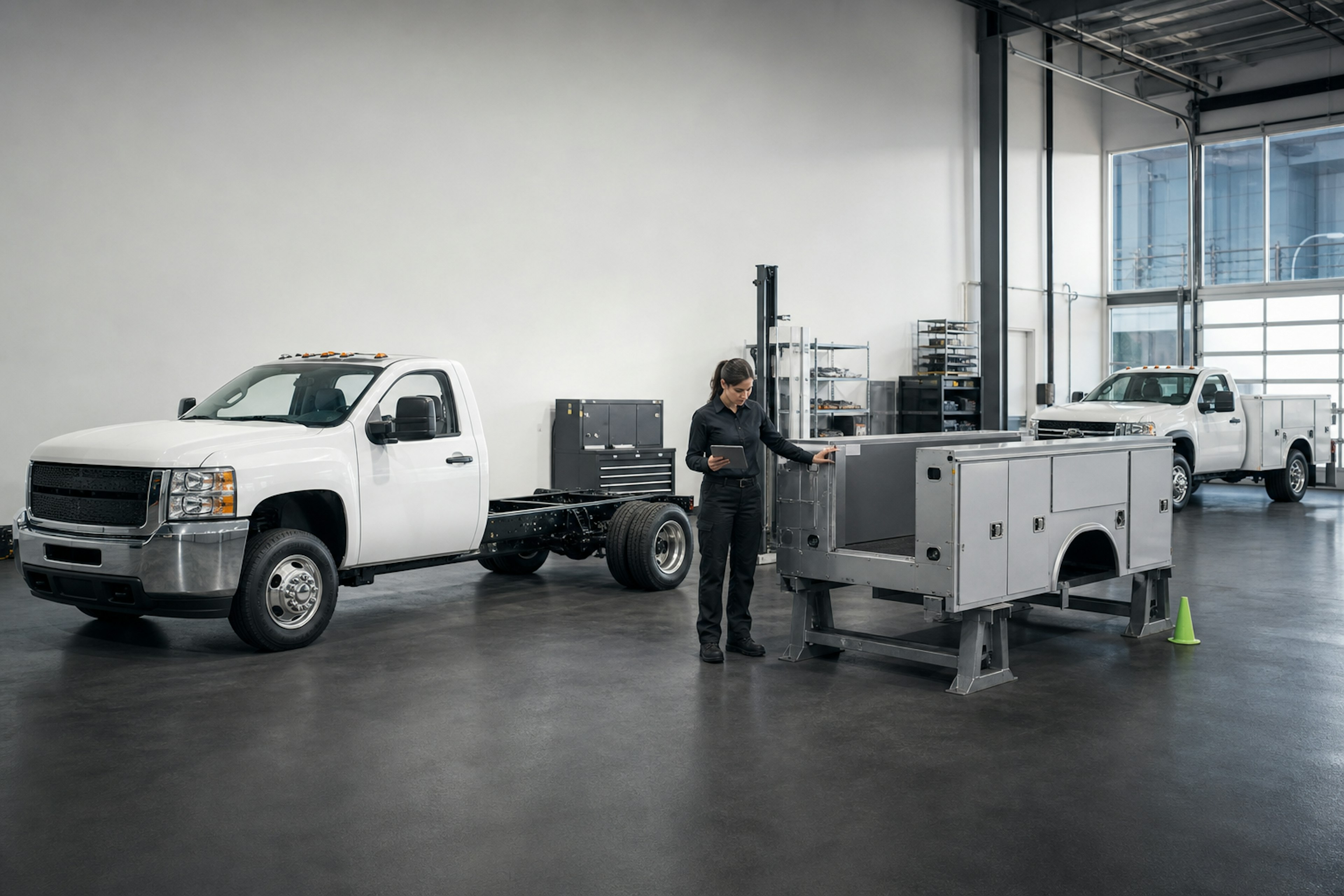
Reusing an upfit on a new chassis can reduce upfront costs, lead times, and material waste. But the strategy only works when the asset, application, and execution align.
Most fleets replace an upfit when they replace the chassis. With equipment costs, supply constraints, and pressure to control total cost of ownership, it is reasonable to question that approach.
As the Manager of Truck Upfit at Mike Albert, I often hear the same question from fleet managers: Can we just transfer our existing upfit to the new vehicle instead?
Sometimes, the answer is yes. Some upfits are designed to outlast the original chassis and move to a replacement vehicle. When the conditions are right, reusing an upfit can reduce capital spending, shorten time to deployment, and keep serviceable equipment out of the waste stream.
But the decision is more complex than it appears. A lower upfront cost does not always mean a lower total cost over the next vehicle’s service life.
The better question is not, “Can we reuse this upfit?” It is, “Should we?”
Start with the upfit’s real remaining life.
Many upfits function like consumable assets over a five–seven-year service life. If your vehicle operates in demanding conditions, the body, racks, storage, electrical components, and other equipment often experience the same wear as the chassis.
By the time you retire the vehicle, the upfit may be near the end of its useful life—even if it still appears functional.
Before approving a transfer, you must evaluate:
- Structural condition, corrosion, damage, and signs of fatigue
- Doors, hinges, drawers, ladders, racks, and other moving components
- Electrical systems, lighting, wiring, and auxiliary power equipment
- Required repairs and preventive maintenance
- Expected remaining service life after installation on the replacement chassis
An upfit that needs significant repair shortly after transfer can erase the savings that made reuse attractive. It can also create avoidable downtime for your drivers and your operation.
Confirm that the new chassis is truly compatible.
Fitment is often where an upfit-reuse plan becomes more difficult—and more expensive—than expected.
Original equipment manufacturer (OEM) mounting points change. Electrical architectures evolve. Cab-to-axle dimensions, frame configurations, and safety requirements may differ from one model year or chassis configuration to the next.
What looks like a straightforward transfer may require custom fabrication, new brackets, or electrical modifications. Those changes can introduce issues that do not show up until the vehicle is in service, including:
- Rattles and vibration
- Water intrusion
- Electrical reliability concerns
- Premature component wear
- Safety risks
You should verify compatibility before you order the new chassis—not after the replacement vehicle arrives. That means reviewing the upfit specifications alongside the new vehicle’s dimensions and intended use.
Factor labor quality into the total cost.
Transferring an upfit is not simply a removal and reinstallation job. The quality of the work has a direct effect on vehicle reliability, driver experience, and long-term maintenance costs.
Ask whether the shop handling the transfer has the capability to complete the work cleanly and stand behind it. A rushed or poorly executed installation can turn an apparent savings opportunity into recurring maintenance events.
You should understand:
- Who will remove, inspect, repair, and reinstall the upfit
- What modifications the new chassis requires
- How long the work will take
- What warranty applies to the labor and transferred equipment
- Who is accountable if problems arise after deployment
Read the warranty before you pay a premium.
An extended-life upfit may cost more upfront because it is built for transferability. That premium only delivers value if the warranty supports your intended strategy.
Not all warranties work the same way. Some require specific maintenance practices. Others may expire with the original chassis, limit coverage after reinstallation, or exclude issues related to a transfer.
Before choosing a reusable upfit, confirm whether coverage transfers to a replacement chassis and what the scope of that coverage looks like after the move. A warranty that ends with the original vehicle can fundamentally change your business case.
Use a full cost comparison—not just an upfront-cost comparison.
The strongest decision comes from comparing both paths over the expected service life of the replacement vehicle.
Include the cost of the equipment, installation, modifications, repairs, warranty coverage, downtime, and expected residual value. Also consider the operational impact if the transferred upfit fails earlier than planned.
This is where Fleet Science® matters. Your fleet data show the replacement timing, maintenance history, and cost patterns behind each asset. But experienced judgment helps you interpret what those numbers mean in the field.
A transfer strategy may make sense for a lightly used, well-maintained upfit with verified compatibility. A new upfit may be the more financially responsible choice for a heavily used asset, a changing chassis platform, or an application where downtime carries a high cost.
Make upfit equipment reuse a strategy, not a default.
Reusing an upfit can be a smart move. It can lower costs, improve speed to service, and support sustainability goals—but it is not universally applicable.
The decision works best when three factors align:
- The asset: The upfit has meaningful useful life remaining.
- The application: The replacement chassis fits the upfit without risky or costly modifications.
- The execution: Qualified partners can perform the transfer, support the work, and protect warranty coverage.
When any one of those factors is off, projected savings can quickly become additional cost, downtime, and risk.
Before your next replacement cycle, review the full picture. The right answer may be to transfer the upfit. It may be to start fresh. Either way, your decision should be based on the asset’s condition, your operating requirements, and the total cost over time—not just the price on the initial quote.
Talk with a Mike Albert Fleet Solutions expert to evaluate the upfit strategy that makes the most sense for your fleet.